

Table of Contents
- When to Change Residential Locks
- Lock Rekeying vs. Lock Replacement: Which Is Right for You
- What to Expect During a Professional Lock Change
- How Long Does It Take to Change a Lock
- Cost to Change Locks on a House
- Best Residential Security Lock Brands and Hardware
- How to Choose a Qualified Professional Locksmith
- Frequently Asked Questions
Last Updated: October 12, 2026
When to Change Residential Locks
Knowing when to change your locks is the first step toward securing your home. A residential lock change becomes necessary after specific events that compromise your security or access control.
You should change your locks after moving into a new home. Previous owners, contractors, and service workers may have copies of the original keys. A fresh set of locks ensures only you control access to your property.
Change your locks if you’ve lost your keys or experienced a break-in. Lost keys create uncertainty about who might have possession. A break-in signals that your current locks may no longer provide adequate protection.
Locks should be changed when you end a relationship with someone who had regular access to your home. Roommates, ex-partners, and estranged family members may retain copies of keys even after they move out. Replacing the locks removes this security risk entirely.
Consider a professional residential lock change if your locks are damaged, worn, or no longer function smoothly. Aging locks become less reliable and may fail when you need them most. New locks restore full functionality and peace of mind.
Upgrading to higher-security locks is another valid reason for a change. Modern locks offer better resistance to picking, bumping, and forced entry compared to older models. At Finest Locksmith LLC, we help homeowners assess whether their current locks meet current security standards and recommend upgrades when appropriate.
Lock Rekeying vs. Lock Replacement: Which Is Right for You
Lock rekeying involves changing the internal pins of an existing lock so that old keys no longer work. The lock body stays in place while the mechanism is reconfigured to accept a new key.
Lock replacement means removing the old lock entirely and installing a new one in its place.
The choice between rekeying and replacement depends on your specific situation and security goals.
Rekeying is the more cost-effective option when your locks are in good physical condition but you need to change who has access. If you’ve moved into a home with functioning locks, rekeying allows previous owners’ keys to stop working without the expense of new hardware. Rekeying typically takes less time than full replacement and causes minimal disruption to your door.
Choose lock replacement when your existing locks are damaged, outdated, or no longer meet your security needs. Replacement gives you the opportunity to upgrade to higher-grade hardware with better resistance to forced entry. If your locks show visible wear, don’t operate smoothly, or use outdated security features, replacement is the better investment.
Replacement also makes sense if you want to standardize your locks across multiple doors. Installing matching hardware throughout your home creates a cohesive security system and simplifies key management. Many homeowners prefer this approach when they’re making a comprehensive security upgrade.
For a professional residential lock change, consider that rekeying typically addresses access control issues, while replacement addresses both access control and physical security improvements. Finest Locksmith LLC evaluates both options during a consultation to recommend the approach that best matches your goals and budget.
| Consideration | Rekeying | Replacement |
|---|---|---|
| Cost | Lower | Higher |
| Time Required | 15-30 minutes | 30-60 minutes |
| Best For | Changing access, functioning locks | Damaged locks, security upgrades |
| Lock Condition | Good working order | Worn or broken |
| Security Upgrade | No | Yes |
What to Expect During a Professional Lock Change
Pre-Service Preparation
Before your appointment, prepare your home for the technician’s arrival. Clear the area around the locks that will be changed so the professional has easy access. Remove furniture, decorations, or obstacles that might impede their work.
Identify which locks need attention. Walk through your home and note every lock that requires rekeying or replacement. Provide this list to your locksmith during the initial consultation. This helps ensure the technician brings the correct tools and hardware for all the work.
Have your identification ready when the locksmith arrives. A professional locksmith will verify that you’re authorized to make changes to the locks. This protects both you and the service provider.
Discuss your key preferences before the appointment. Do you want multiple copies of your new keys? Should certain family members or trusted individuals have their own copies? Communicating these details upfront prevents misunderstandings and ensures you get exactly what you need.

The Installation Process
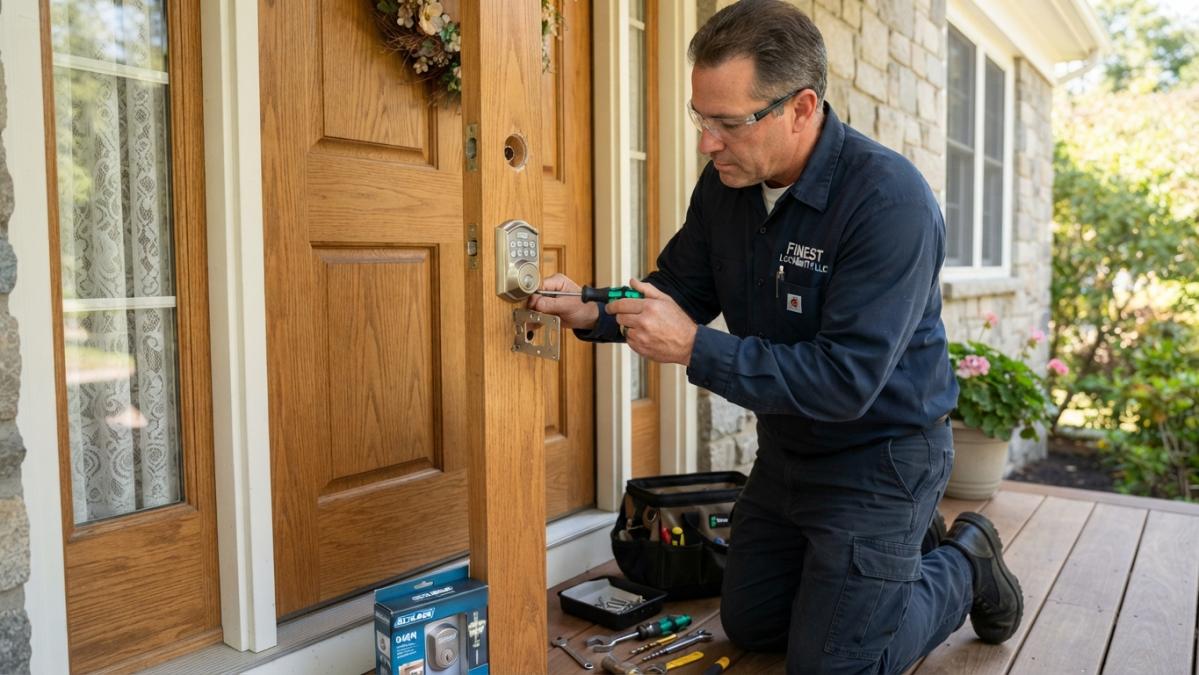
When the locksmith arrives, they’ll inspect your existing locks and discuss the work plan. They’ll confirm which locks are being changed and verify that the new hardware matches your door specifications.
For a lock change, the technician removes the old lock by unscrewing the fasteners holding it in place. They extract the lock body from the door and set it aside. This process typically takes just a few minutes per lock.
The new lock is then positioned in the opening. The locksmith ensures proper alignment so the bolt extends and retracts smoothly. Fasteners are tightened securely to prevent the lock from shifting or loosening over time.
The technician tests the new lock multiple times to confirm it operates correctly. They verify that the key turns smoothly, the bolt extends fully, and the locking mechanism engages properly. This quality check happens before they consider the job complete.
Keys are provided and tested to ensure they work perfectly in the new locks. The locksmith may cut additional copies if you requested them during the pre-service discussion.
The entire process for a professional residential lock change is straightforward when handled by an experienced technician. Finest Locksmith LLC completes residential lock changes efficiently while maintaining the quality and security of your installation.
How Long Does It Take to Change a Lock
The time required to change a lock depends on several factors. A straightforward lock change on a standard residential door typically takes 15 to 30 minutes per lock.
If you’re changing multiple locks throughout your home, add approximately 20 to 30 minutes per additional lock. A technician working on three locks might complete the entire job in 60 to 90 minutes.
Rekeying usually takes less time than full replacement. Rekeying a single lock may require only 10 to 15 minutes since the lock body remains in place. Replacement takes longer because the old hardware must be removed and new hardware installed and tested.
Complications can extend the timeline. If your door frame is damaged, the lock doesn’t fit properly, or the existing hardware is corroded or stuck, the technician may need extra time to address these issues. Older homes sometimes have non-standard door frames that require adjustment before a new lock can be installed.
Professional locksmiths work efficiently because they have the right tools and experience. What might take a homeowner an hour or more can often be completed in 20 to 30 minutes by a skilled technician. This efficiency is one reason many homeowners choose professional installation over attempting the work themselves.
Cost to Change Locks on a House
Lock change costs vary based on the type of lock, the number of locks being changed, and whether you’re rekeying or replacing. Several factors influence the final price.
The grade and quality of the lock hardware affects cost. Basic residential locks cost less than high-security locks with advanced features. Premium locks with better resistance to picking and forced entry command higher prices.
Labor costs depend on how many locks need attention and how long the work takes. A single lock change requires less labor than changing locks throughout an entire home. Most professional locksmiths charge per lock or per service call.
The complexity of your specific situation impacts pricing. Standard installations on typical residential doors proceed quickly and cost less. Non-standard door frames, damaged hardware, or locks that are stuck or corroded may require additional time and expertise, affecting the total cost.
For accurate pricing on your specific situation, contact Finest Locksmith LLC directly for a consultation. Our flat-rate emergency service ensures you won’t face surprise charges when you need us most.
Best Residential Security Lock Brands and Hardware
Quality lock hardware is essential for effective home security. Several manufacturers produce locks that meet or exceed industry security standards and provide reliable long-term performance.
Schlage locks are widely recognized for residential applications. Their deadbolts offer solid security features and smooth operation. Schlage hardware is commonly found in new construction and retrofit installations throughout the country.
Kwikset manufactures residential locks that balance security and affordability. Their products are available in various styles and finishes to match different door aesthetics. Kwikset locks perform well in typical residential settings.
Baldwin hardware is known for premium residential locks with attractive design options. Their products combine security with aesthetic appeal, making them popular for homes where appearance matters alongside functionality.
Master Lock produces durable locks suitable for residential use, particularly for exterior doors and gates. Their products are engineered for reliability in demanding conditions.
When selecting lock hardware for a professional residential lock change, consider the security grade of the lock. Grade 1 locks offer the highest security and are suitable for exterior doors. Grade 2 locks provide good security for most residential applications. Grade 3 locks are acceptable for interior doors or lower-risk applications.
The finish of your lock hardware should complement your door and home exterior. Polished brass, satin nickel, and oil-rubbed bronze are popular finishes that work with most architectural styles.
Compatibility with your door is critical. Your locksmith ensures that the new lock fits properly in your existing door frame and operates smoothly. Professional installation guarantees that the hardware you select will perform as intended.
How to Choose a Qualified Professional Locksmith
Selecting the right locksmith protects your home and ensures quality work. Several criteria help you identify a trustworthy, skilled professional.
Verify that the locksmith is properly licensed and insured. Licensing requirements vary by location, but a licensed locksmith has met training and competency standards. Insurance protects you if damage occurs during the service.
Ask about the locksmith’s experience with residential work. A technician with years of experience handling residential lock changes understands the common challenges and knows how to address them efficiently. Experience signals competence and reliability.
Check for transparent pricing before scheduling service. A reputable locksmith provides clear estimates and explains what costs cover. Avoid locksmiths who quote vague prices or refuse to discuss costs upfront.
Read customer reviews and ask for references. Previous customers’ experiences reveal whether the locksmith delivers quality work and treats clients respectfully. Consistent positive feedback suggests you’re dealing with a reliable professional.
Confirm that the locksmith can respond quickly to your needs. For emergency situations, availability matters.
Ask whether the locksmith offers a warranty on their work. A professional standing behind their installation provides peace of mind. Written warranties protect you if problems arise shortly after the work is completed.
Finest Locksmith LLC has served the Greater Boston area since 2008. Our experienced technicians deliver reliable professional residential lock change service with immediate response times and flat-rate pricing for emergency calls.
Securing your home starts with locks you can trust and installation you can rely on.
Frequently Asked Questions
When should you change the locks on your home?
Change your residential locks after moving into a new home, losing keys, experiencing a break-in, or ending a relationship with someone who had access. If you’ve hired contractors or service workers, consider changing locks afterward. Additionally, if your locks are damaged, corroded, or no longer function smoothly, replacement is warranted. A professional locksmith can assess your situation and recommend the best course of action during a consultation.
Should you change your locks or have them rekeyed?
Rekeying is less expensive and faster when your existing locks are in good condition but you want different keys. Lock replacement is necessary if locks are damaged, worn, or when you want upgraded security features or a different style. A professional locksmith evaluates your door hardware, lock condition, and security goals to recommend the right solution for your residential needs.
How much does it cost to have a locksmith change a residential lock?
Pricing depends on the number of locks, lock type, door material, and whether you need rekeying or full replacement. Labor, hardware quality, and emergency timing also affect cost. For accurate pricing on your specific situation, contact a professional locksmith directly for a written estimate. Finest Locksmith LLC offers flat-rate emergency service fees to avoid surprises.
Can a locksmith change locks on the same day?
Yes, many professional locksmiths offer same-day residential lock change service. Mobile locksmiths can come to your home and complete the work the same day you call. For emergency situations outside business hours, 24/7 locksmith services are available. Response times vary by location and service demand, so contact your local locksmith to confirm availability and arrival time for your specific needs.