
Table of Contents
- Residential Lock Installation and Repair
- Commercial Lock Installation and Access Control
- Commercial Door Lock Types and Selection
- Keyless Entry Installation for Homes and Businesses
- Lock Rekeying vs. Replacement: When to Choose Each
- Commercial Lock Installation Cost Factors
- Emergency Locksmith Services and 24/7 Availability
- Professional Installation, Warranty, and Code Compliance
- Frequently Asked Questions
Last Updated: October 13, 2026
Residential Lock Installation and Repair
Residential lock installation services are essential for homeowners who need to upgrade security, replace damaged locks, or gain access after a lockout. Whether you’re installing new deadbolts on entry doors, replacing worn doorknobs, or rekeying existing locks, professional installation ensures your home remains secure and compliant with building codes.
At Finest Locksmith LLC, we understand that residential security is personal. A properly installed lock protects your family and possessions while giving you peace of mind. Many homeowners attempt DIY lock installation, only to discover misalignment issues, difficulty with key operation, or gaps that compromise security.
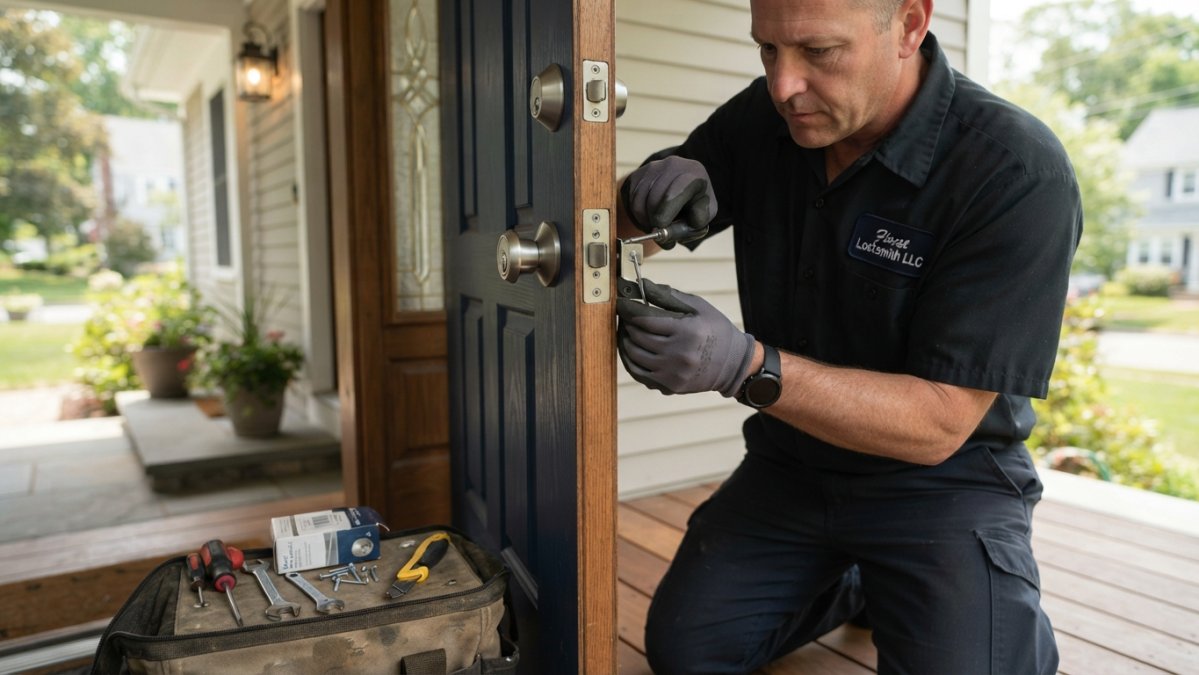
Professional residential lock installation involves more than just screwing hardware into a door. Technicians assess door compatibility, ensure proper alignment with strike plates, test functionality, and verify that locks meet local code standards. For deadbolts specifically, installation requires precise hole placement and careful adjustment of internal mechanisms.
When replacing locks on an older home, have a technician inspect the door frame. Settling or warping can prevent new locks from functioning smoothly, and fixing these issues upfront saves frustration later.
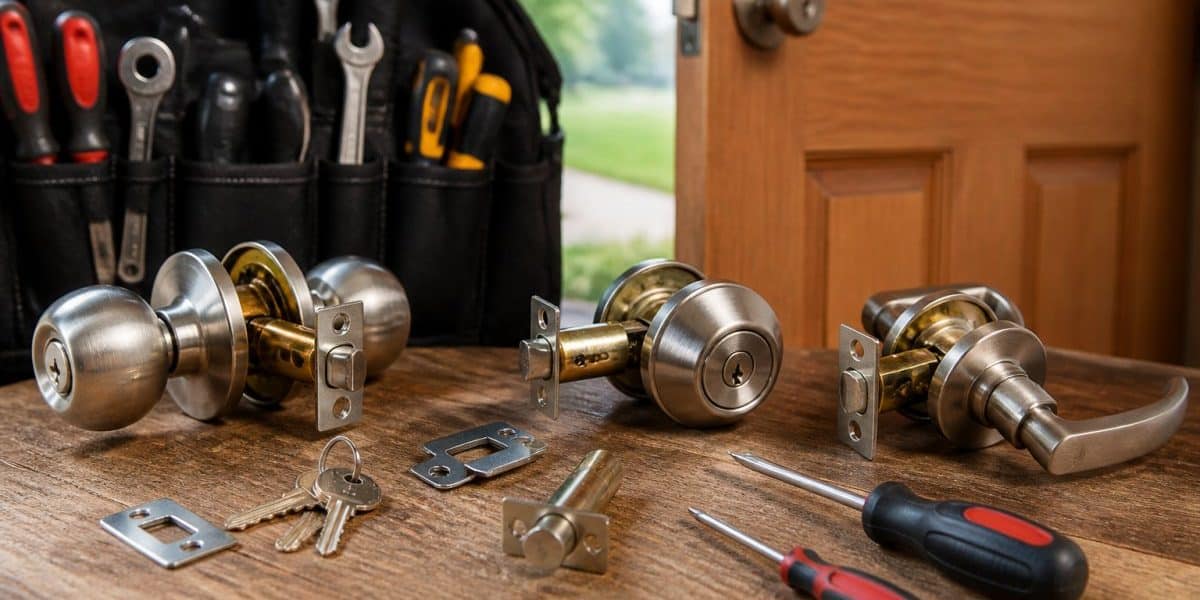
Common residential lock services include installing new deadbolts on exterior doors, replacing interior privacy locks, installing keyless entry systems, and rekeying locks when you move into a new home or lose keys. Each service addresses different security needs and requires specific expertise.
Commercial Lock Installation and Access Control
Commercial lock installation services differ significantly from residential work. Businesses require more complex security solutions that often integrate multiple access points, restricted areas, and accountability for who enters where and when.
Commercial lock installation encompasses everything from basic deadbolts on office doors to sophisticated access control systems that track entry and exit. The scope depends on your facility’s size, security requirements, and operational complexity. A small office might need simple keyed locks on sensitive areas, while a larger facility may require card readers, keypads, or biometric systems.
Access control systems represent the modern standard for commercial properties. Rather than relying on physical keys that can be lost or copied, access control uses electronic credentials. Employees carry cards or fobs that grant access to specific doors at specific times. Facility managers can instantly revoke access when someone leaves, without rekeying locks.
The installation process for commercial systems involves assessing your facility layout, identifying access points that need control, and integrating hardware with management software. Professional installation ensures systems function reliably and that all doors lock and unlock as intended.
Installing access control without proper planning creates security gaps. If you control the front entrance but leave side doors unsecured, you’ve created a false sense of security. A thorough security audit before installation prevents costly oversights.
Commercial Door Lock Types and Selection
Selecting the right door lock type for commercial use requires understanding your specific needs. Different lock types serve different purposes, and the wrong choice can create security vulnerabilities or operational headaches.
Deadbolts remain the standard for commercial exterior doors. They resist forced entry better than spring latches and provide reliable security at reasonable cost. Deadbolts come in single-cylinder (key on outside, thumb turn inside) and double-cylinder (key on both sides) versions.
Electronic locks and smart locks integrate with access control systems, allowing keyless entry and remote management. Card readers, keypads, and biometric scanners replace traditional keys. These systems provide audit trails showing who accessed each door and when, invaluable for security investigations and compliance documentation.
Mortise locks are heavy-duty commercial locks built into the door itself rather than surface-mounted. They’re more difficult to force and less visible, making them popular for high-security applications.
Magnetic locks hold doors closed electromagnetically and release when power is cut or credentials are invalid. They work well for high-traffic areas where smooth operation matters, but they require reliable power and backup systems for emergency egress.
The choice between these options depends on your security level, budget, operational workflow, and code requirements. A facility manager should consult with a qualified locksmith during planning to avoid expensive retrofits later.
Keyless Entry Installation for Homes and Businesses
Keyless entry systems eliminate the need for physical keys, replacing them with codes, cards, fobs, or biometric readers. Installation complexity varies dramatically depending on the system type and your existing door hardware.
Simple keypad locks screw onto existing deadbolts and require no rewiring. Users enter a code to unlock the door. These work well for residential applications, vacation rentals, or low-security commercial spaces. Battery replacement is the main maintenance consideration.
Integrated keyless systems require more involved installation. Card readers, keypads, or biometric scanners mount on the door frame or wall, and wiring connects to the lock mechanism and control panel. Professional installation ensures proper wiring, secure mounting, and integration with your facility’s power and network systems.
For businesses, keyless entry offers significant advantages. Access can be granted or revoked instantly without rekeying locks. Audit trails show exactly who entered each space and when. Different access levels can be assigned to different employee groups. Lost credentials can be deactivated immediately.
Installation requires assessing your door types, planning wire routing, and determining power requirements. Some systems integrate with existing security infrastructure, while others operate independently. Professional installation ensures systems function reliably and meet code requirements for emergency egress.
Lock Rekeying vs. Replacement: When to Choose Each
Rekeying and replacement both solve the problem of unwanted key holders, but they serve different situations and budgets. Understanding the difference helps you make the right choice for your security needs.
Rekeying involves disassembling the lock cylinder and rearranging internal pins so old keys no longer work. A locksmith removes the cylinder, changes the pin configuration, and reinstalls it. The lock body stays in place.
Rekeying makes sense when you move into a new home and want to ensure previous owners can’t enter. It’s also practical after an employee leaves and you need to secure their access.
Replacement means removing the entire lock and installing a new one. You choose a new lock type, finish, and security level. Replacement is necessary when locks are damaged, worn, or no longer function smoothly.
Replacement costs more than rekeying but gives you the opportunity to improve security. If your current locks are old or showing wear, replacement prevents future failures. If you’re upgrading to electronic locks or access control, replacement is your only option.
For commercial properties, the choice often depends on your security strategy. If you’re implementing a new access control system, you’ll replace locks to integrate with the system.
Commercial Lock Installation Cost Factors
Understanding what affects commercial lock installation pricing helps you budget accurately and avoid surprises. Several factors influence the total cost, and transparent communication about these factors prevents disputes.
The number of doors requiring locks is the primary cost driver. A small office with five doors costs less than a multi-floor facility with fifty access points. Each additional lock means additional hardware, labor, and integration work.
Lock type significantly affects pricing. Basic deadbolts cost less than electronic locks or access control systems. Biometric readers, card systems, and integrated software add substantial cost but provide enhanced security and management capabilities.
Door condition and compatibility matter more than many business owners realize. If doors require frame repair, additional routing for wiring, or structural modification, costs increase. A pre-installation assessment by a qualified technician identifies these issues before work begins.
Labor costs depend on installation complexity and your facility’s layout. Facilities with difficult wiring access, multiple floors, or complex integration requirements require more technician time. Emergency or after-hours installation costs more than standard business hours work.
Software integration and system setup add cost for electronic or access control systems. This includes configuring user access levels, testing system functionality, and training staff on operation and emergency procedures.
Request a detailed estimate that breaks down hardware, labor, and integration costs separately. This transparency helps you understand where your money goes and compare quotes from different providers accurately.
Emergency Locksmith Services and 24/7 Availability
Lockouts happen at the worst times. You’re locked out of your home in the middle of the night, or an employee is trapped outside your office building. Emergency locksmith services provide rapid response when you need access immediately.
Finest Locksmith LLC maintains immediate response service because lockouts are emergencies that can’t wait until morning. When you call, a technician is dispatched to your location right away.
Response time matters during a lockout. Waiting hours in the cold or heat while locked out of your home or business is miserable. Flat-rate pricing for emergency services eliminates the anxiety of unknown charges. You know the cost upfront, which removes the fear of price-gouging when you’re desperate to regain access.
Emergency services extend beyond simple lockouts. If your key breaks in the lock, a technician removes the broken piece and creates a new key. If your lock is damaged and won’t function, emergency replacement restores access quickly. If you’ve lost your keys, a technician can rekey your locks the same day so you know who has access to your property.
For businesses, emergency access is critical. A locked employee or a malfunctioning access control system disrupts operations. Commercial emergency service ensures you get back to normal quickly, minimizing lost productivity and customer impact.
Professional Installation, Warranty, and Code Compliance
Professional lock installation provides more than just getting hardware mounted on your door. It includes expertise, accountability, and assurance that your security meets required standards.
Qualified locksmiths understand building codes that govern lock installation. Residential and commercial buildings have specific requirements for deadbolt throw length, strike plate installation, door frame strength, and emergency egress.
Warranty coverage protects your investment. Professional installation typically includes warranty on both labor and hardware. If a lock fails prematurely, the locksmith replaces it at no cost.
Professional installation also includes assessment and problem-solving. A locksmith evaluates your door condition, identifies potential issues, and recommends solutions before problems develop. This proactive approach prevents costly failures and security gaps.
Testing and verification are critical parts of professional installation. After installing locks, a technician tests each one multiple times to ensure smooth operation, proper alignment, and secure locking.
For commercial installations, professional service includes documentation and training. You receive records of what was installed, where, and when. Staff training ensures employees understand how to operate new systems, use emergency features, and report problems.
Professional lock installation services protect your property and provide peace of mind. At Finest Locksmith LLC, we’ve served the Greater Boston area since 2008 with experienced technicians, flat-rate emergency pricing, and commitment to code compliance.
| Service Type | Best For | Installation Time | Typical Need |
|---|---|---|---|
| Residential deadbolt installation | New homes, security upgrades | 30-60 minutes | Moving in, lost keys |
| Commercial access control | Multi-door facilities, employee tracking | Several hours to days | New facility, security upgrade |
| Keyless entry installation | Convenience, remote access | 1-3 hours | Rental properties, modern security |
| Lock rekeying | Preventing old key holders | 15-30 minutes per lock | Employee departure, lost keys |
| Emergency lockout service | Immediate access needed | 15-30 minutes | Lockout situations, lost keys |
Frequently Asked Questions
What is the difference between residential and commercial lock installation?
Residential lock installation typically involves deadbolts, entry-door locks, and doorknobs for homes, focusing on basic security for occupants. Commercial lock installation covers high-security locks, access control systems, and electronic locks designed to manage multiple users, comply with building codes, and provide audit trails. Commercial systems often integrate with door hardware, hinges, and kick plates to meet facility security standards. The installation complexity and labor requirements differ significantly between the two.
How much does professional lock installation cost?
Lock installation pricing depends on the type of lock, door compatibility, labor complexity, and whether the service is residential or commercial. Residential installations are generally less expensive than commercial systems. Emergency locksmith services and 24/7 availability may include service call fees. For accurate pricing, contact a qualified locksmith directly for an installation assessment and quote specific to your property and security needs.
When should I rekey a lock instead of replacing it?
Rekeying is cost-effective when the lock hardware is in good condition but you need new keys, such as after moving into a home or if a key is lost. Lock replacement is necessary when the hardware is damaged, worn, or when you want to upgrade to a higher-security lock type or electronic lock. A professional locksmith can assess your door and lock functionality to recommend whether rekeying or replacement better serves your property security.
Are you available for emergency lockout assistance 24/7?
Professional locksmith services often offer 24/7 emergency lockout assistance for both residential and commercial properties. Response time and availability vary by provider. When choosing a locksmith, confirm their emergency service hours, typical response time, and whether they serve your area. Flat-rate emergency pricing can provide transparency about service call costs and arrival expectations.