
Last Updated: November 2, 2026
Quick Summary
Choose lock repair when the problem is isolated, such as a loose deadbolt, worn latch, or misaligned strike plate, because repair usually costs less and keeps the existing lock body. Choose replacement when the cylinder is damaged, the lock is worn throughout, or it no longer meets the security level you need.
- Repair usually costs less and keeps the same lock body and keyway.
- Clean, lubricate, and tighten screws before assuming a lock is dead.
- Test the door with a spare key to separate a worn key from a worn cylinder.
- Visible drill or pry damage to the cylinder means replace the lock.
- Repeated repairs on the same lock can approach the cost of a replacement.
Table of Contents
- Lock Repair vs. Replacement: The Key Differences
- Signs a Door Lock Is Failing
- A Diagnostic Checklist: Finding the Cause
- Rekeying vs. Replacing Locks: Which Fits Your Situation
- Cost to Repair a Door Lock Compared to Replacement
- Lock Cylinder Replacement and When a Full Replacement Is Needed
- Booking Your Lock Assessment With Finest Locksmith
- Frequently Asked Questions
Lock Repair vs. Replacement: The Key Differences
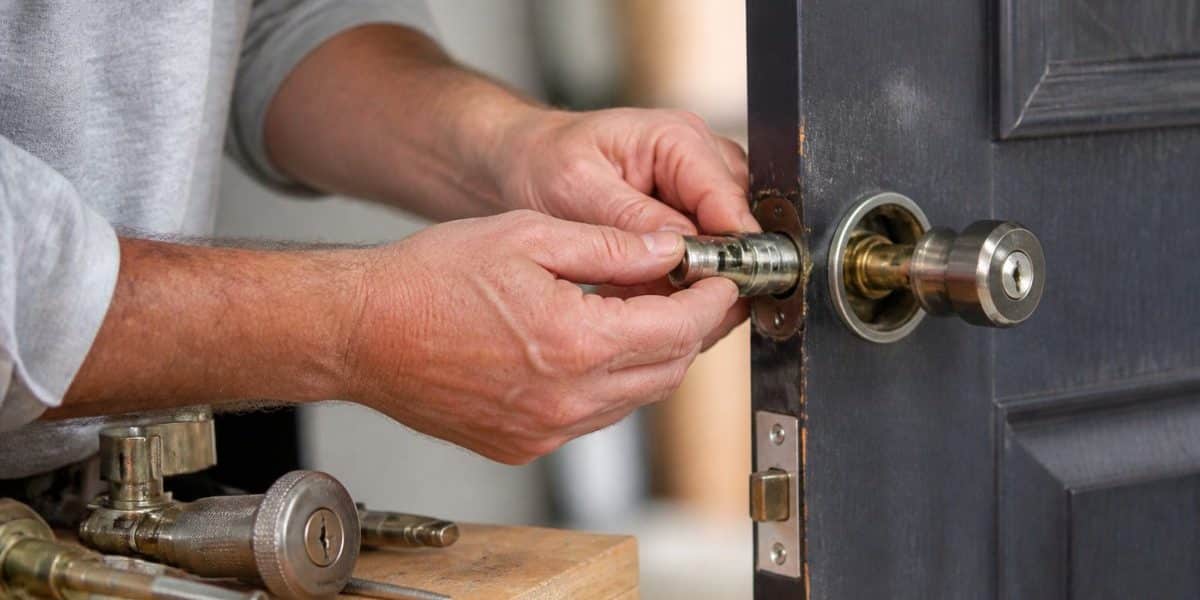
When a door lock starts acting up, the first decision is whether to repair the existing hardware or replace it outright. Repair usually costs less and keeps the same lock body and keyway.
Repair works best when the problem is isolated. A loose deadbolt, a worn latch, or a misaligned strike plate can often be corrected in a single visit without touching the lock body.
The lifecycle value matters too. A repaired lock may give years of additional service, while a new lock brings modern pin configurations and updated hardware.
Signs a Door Lock Is Failing
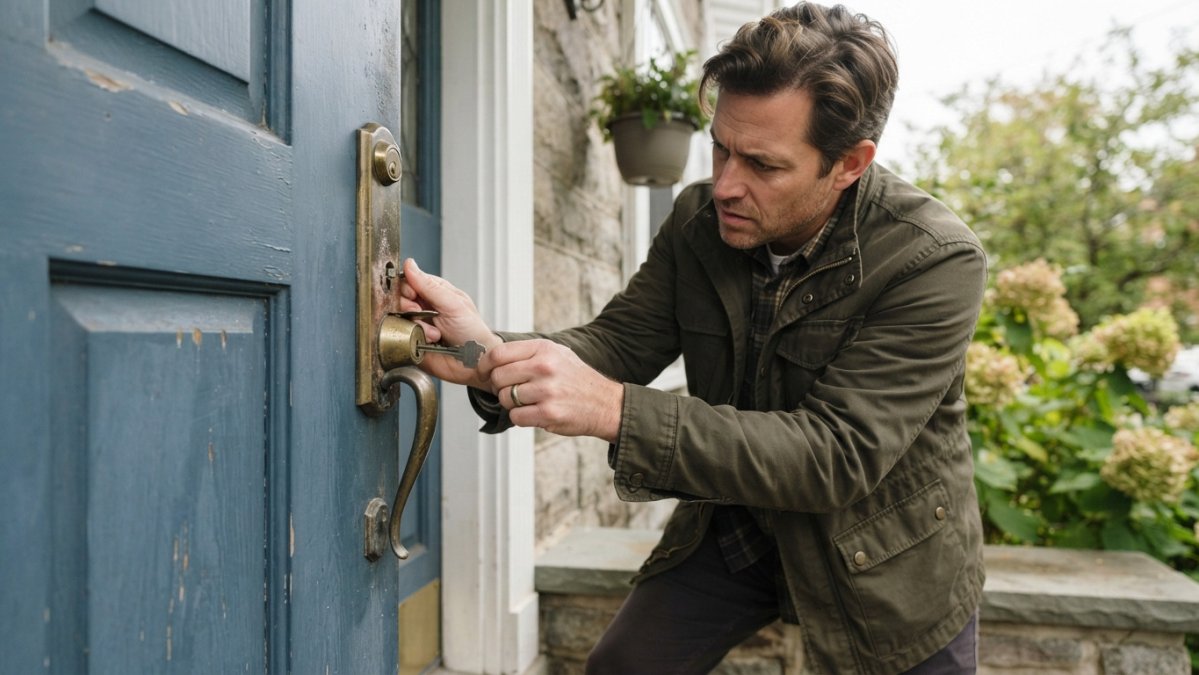
A failing lock rarely dies without warning. It usually shows a pattern of small symptoms over weeks or months. Catching these early often means the difference between a quick adjustment and an emergency lockout.
Watch for these common warning signs:
- The key turns with more force than it used to
- The lock sticks or feels gritty during rotation
- The door does not latch fully without lifting or pushing
- Visible wear, scratches, or rust around the keyway
- The key bends, binds, or breaks inside the cylinder
If the door itself has shifted, the lock may be the victim rather than the cause. Settling houses, swollen wood, and loose hinges can all throw a lock out of alignment.
Symptoms That Usually Point to Repair
Several symptoms commonly respond well to repair rather than replacement. A stiff lock often has dirt or debris inside, which cleaning and lubrication can clear. A loose handle or knob frequently traces back to a loose mounting screw. A latch that will not engage may only need the strike plate adjusted.
Rattling is another repairable symptom. Tightening the mounting hardware or adjusting the strike plate usually stops the noise. Lock components wear slowly, so isolated symptoms that appeared recently are usually good candidates for repair.
Signs the Lock Should Be Replaced
Some symptoms call for replacement. Visible damage to the cylinder, such as drill marks or pry damage, means the lock’s security is compromised. Keys that no longer turn smoothly after cleaning, or a lock that jams repeatedly, often indicate worn internal pins or springs.
Age also matters. Older locks may lack modern security features, and replacement parts can become difficult to source. A lock that has been picked or forced open should be replaced rather than simply repaired, because the internal mechanism may have been damaged in ways that are not visible.
A Diagnostic Checklist: Finding the Cause
Most lock problems are really one of four things: the cylinder, the latch, the strike plate, or the door itself. The checklist below walks through them in order, from least invasive to most, and explains what each result tells you. The goal is to avoid paying for lock hardware when the real problem is a sagging door, or replacing a healthy lock when a $10 strike-plate adjustment would fix it.
Step 1: Test the door without the lock
Open the door and push it closed slowly without turning the knob or deadbolt. Does the latch bolt slide into the strike plate cleanly, or does it hit the plate and stop? If the door must be lifted, pushed, or pulled to latch, the problem is alignment, not the lock mechanism. This is the most common misdiagnosis in residential lock service.
Step 2: Test with a spare key
Try a second key that is known to work. If the spare turns smoothly and the original binds, the original key is worn or bent, a key-cutting fix, not a lock replacement. If both keys bind equally, the problem is inside the cylinder or the door is out of alignment.
Step 3: Inspect the keyway and cylinder
Look into the keyway with a flashlight. Debris, graphite buildup, or a bent key can cause gritty rotation. Clean with compressed air and apply a dry lubricant made for locks, not oil, which attracts dust. If the key still binds after cleaning, the pins or springs inside the cylinder are likely worn, which points to cylinder replacement rather than a full lock swap.
Step 4: Check the strike plate and latch alignment
Close the door and look at where the latch bolt meets the strike plate. The bolt should enter the plate opening without rubbing. A latch that sits a few millimeters high or low, or that rubs the top or bottom of the plate, indicates door sag or frame movement. Tighten the strike-plate screws first; if the plate has shifted, a small adjustment or a larger plate can solve it without touching the lock.
Step 5: Check the hinges and door frame
Loose hinges let the door drop, which throws the latch out of alignment. Tighten hinge screws; if the screw holes are stripped, longer screws or a hinge repair may be needed. Look for cracks or swelling around the strike plate, water damage and settling are common causes of frame movement that mimics lock failure.
Step 6: Look for visible damage
Inspect the cylinder face, the faceplate, and the door edge for drill marks, pry marks, or deformation. Visible damage to the cylinder means the lock’s security is compromised and replacement is the right call, regardless of how well it turns.
Reading the results
- Key binds, spare key works: worn key, cut a new key.
- Key binds with all keys, cylinder clean: worn cylinder, replace the cylinder, not the whole lock.
- Door must be lifted or pushed to latch: door sag or strike misalignment, adjust hinges and strike plate first.
- Latch rubs the strike plate: strike-plate or frame issue, adjust before replacing hardware.
- Visible cylinder damage: replace the lock.
- Lock turns freely but door will not stay closed: latch or strike-plate problem, not a cylinder problem.
Safe troubleshooting has clear limits. Cleaning, lubricating, tightening screws, and adjusting a strike plate are reasonable DIY steps. Do not force a key, disassemble a deadbolt, remove a cylinder, or work on a door that is pressing hard against the latch, those steps can damage the lock, the door, or both. When in doubt, stop and call a locksmith.
If the lock still fails after these steps, the problem sits inside the cylinder or the latch mechanism, and a professional assessment will show whether repair or replacement is the better value.
Rekeying vs. Replacing Locks: Which Fits Your Situation
Rekeying changes the internal pins so that the existing lock works with a new key. Compare the cost and security of rekeying versus replacing locks before you decide. See a step-by-step guide to professional residential lock change service for what the process involves.
Rekeying does not fix mechanical problems. A stiff, jammed, or broken lock will still malfunction after rekeying. If the reason for the service is a failing mechanism, rekeying is only a partial answer.
Think about your situation. A tenant who wants new locks after a move-out may only need rekeying. A homeowner after a break-in, or with a cylinder showing damage, should generally replace the lock.
Cost to Repair a Door Lock Compared to Replacement
Cost is usually the deciding factor, but the honest answer is that repair and replacement overlap in price depending on the lock type and the failure. Pricing depends on the lock, the door, the parts required, and conditions at the property.
| Scenario | Typical Repair Range | Typical Replacement Range |
|---|---|---|
| Standard knob lock or deadbolt, minor adjustment (strike plate, screws, lubrication) | $75-$150 service call | $150-$300 installed |
| Deadbolt cylinder replacement only | $100-$200 | $150-$300 (cylinder only) |
| Full deadbolt replacement, standard grade | , | $150-$350 installed |
| High-security or smart lock replacement | , | $250-$600+ installed |
| Emergency or after-hours service | Add $75-$200 | Add $75-$200 |
| Door alignment or strike-plate correction | $100-$250 | Not applicable |
What drives the price. Repair costs are mostly labor: a service call, diagnosis, and minor parts such as screws, a strike plate, or lubricant. Replacement adds the cost of the new hardware on top of labor.
The lifecycle math. A single repair that costs $120 and buys five more years is usually the better deal. But repeated repairs change the math. If the same lock needs repeated repairs over a short period, the cumulative cost can approach or exceed the cost of a replacement.
Parts availability matters. Older or imported locks may have cylinders and latches that are hard to source, which pushes repair costs up and turnaround times out.
Ask for a written estimate that separates parts from labor. A transparent quote lets you compare repair and replacement on equal terms and shows whether the recommendation is driven by the hardware or the labor.
Contact Finest Locksmith LLC for a quote tailored to your door.
Lock Cylinder Replacement and When a Full Replacement Is Needed
The cylinder is the part that accepts the key. Many locks can have only the cylinder replaced, which is less expensive than replacing the entire lock assembly.
A full replacement becomes necessary when the lock body, latch, or handle is damaged, when the lock is outdated, or when the door hardware no longer fits the new cylinder. A full replacement also makes sense when you want a higher security grade, since the cylinder alone may not meet the standard you need.
Booking Your Lock Assessment With Finest Locksmith
A professional assessment is the fastest way to know whether a lock needs repair or replacement. A professional assessment can help determine whether a lock needs repair or replacement. Finest Locksmith LLC has served the Greater Boston area since 2008, providing residential locksmith services.
To get started, see our residential locksmith services for homeowner lock repair and replacement. For a quick look at our commercial work, including commercial-grade lock installation and master key systems, visit commercial locksmith services. Ready to act now? Get fast residential lock repair in Boston to schedule your assessment. Call now to speak with a technician about your lock.
Frequently Asked Questions
How do I know if my door lock needs repair or replacement?
Start with the symptoms. If the lock turns stiffly, the key sticks, or the latch sits misaligned with the strike plate, the cause is often wear inside the cylinder or an alignment problem with the door, and repair or adjustment may solve it. If the bolt does not extend fully, the lock body is cracked, the cylinder spins freely, or the lock has been forced, replacement is usually the safer choice. A locksmith can inspect the lock and tell you which category your problem falls into before you commit to a fix.
Is it cheaper to repair or replace a door lock?
Repair is usually less expensive when the problem is limited to a single component, such as lubricating a stiff cylinder, adjusting a strike plate, or swapping a worn spring. Replacement costs more upfront but can make sense when the lock is old, damaged, or no longer meets your security needs. Pricing depends on the lock type, the hardware involved, and the work required. For current pricing, contact Finest Locksmith LLC through finestlocksmith.com for a quote.
What is the difference between rekeying and replacing a lock?
Rekeying changes the internal pins so the existing lock works with a new key, and the old keys no longer open it. It is a good option after losing keys or moving into a home where previous keys may be in circulation. Replacing a lock installs new hardware, which is necessary when the lock body or cylinder is damaged, worn out, or too weak for your security goals. Rekeying keeps the same hardware, while replacement changes the hardware itself.
Can a damaged lock still be secure?
A lock that is physically damaged, bent, or loose may not hold up under force, even if it still turns. After any break-in or attempted break-in, have the lock and door frame inspected. Damage to the strike plate, door frame, or latch can weaken protection even when the lock itself seems fine. Do not rely on a visibly compromised lock while you wait for service, and consider temporary reinforcement until the repair or replacement is complete.
