
Last Updated: November 8, 2026
Quick Summary
To find reliable 24 hour locksmiths, first confirm the company’s full legal name, license number, physical address, and insurance before calling. Then ask for an itemized price range and a written estimate before any work begins. Legitimate providers answer these questions clearly without pressure.
- Check the legal business name and license number against your state’s business records.
- Ask for a total price range with line items, including the service-call fee and after-hours surcharge.
- Request a written estimate before the technician touches the lock.
- Be wary of a very low phone quote followed by added fees on arrival.
- Confirm the technician will try non-destructive entry first and verify your identity.
Table of Contents
- Why Finding a Reliable 24 Hour Locksmith Matters
- Step 1: Check Licensing and Insurance Before You Call
- Step 2: Evaluate Reviews Critically
- Step 3: Ask the Right Questions on the Phone
- Step 4: Understand 24-Hour Locksmith Pricing and Avoid Surprise Fees
- Step 5: Confirm Safe, Non-Destructive Entry and Proof of Authorization
- Choosing an Emergency Locksmith for Urgent vs. Non-Urgent Situations
- Booking Your Next Locksmith Call With Confidence
- Frequently Asked Questions
Why Finding a Reliable 24 Hour Locksmith Matters
When you are locked out at 2 AM, a reliable 24 hour locksmiths team is the difference between a quick fix and a long, costly night. Finding a reliable one means checking credentials, reading reviews carefully, and confirming pricing before anyone touches your door. The steps below show how to vet any emergency locksmith.
Many people call the first number that appears in a search. That often leads to rushed decisions and surprise bills. A short, careful check before you call can save you time and money.
Here is what this guide covers:
- How to confirm licensing and insurance
- How to read reviews without being misled
- The questions to ask on the phone
- How to understand 24 hour pricing and spot hidden fees
- What safe, non-destructive entry looks like
Step 1: Check Licensing and Insurance Before You Call
Start by confirming the locksmith is properly licensed and insured, since many 24 hour locksmiths operate under vague names. Ask for the business name, the license number, and proof of liability insurance.
Verification takes only a few minutes:
- Ask for the full legal business name and check it against your state’s business records.
- Confirm the company has a physical address, not just a phone number.
- Ask whether the technicians are employees or subcontractors, and whether they carry their own insurance.
- Look for a consistent name across the website, vehicle, and invoices.
Watch out: some callers use a local-sounding name that routes to a national dispatch center. If the person who answers cannot name the local business, hang up.
Step 2: Evaluate Reviews Critically
Reviews help, but they can be manipulated. Read several platforms, not just the company’s own site. Look for specific details, such as the arrival time, the technician’s conduct, and whether the quoted price matched the final bill.
- Favor reviews that describe a real job, a time, and a price.
- Be wary of many five-star reviews posted in the same week.
- Read the one- and two-star reviews to see how complaints are handled.
- Check whether the business replies to negative feedback in a professional way.
Reviews that only praise speed but never mention price or conduct tell you less than they seem to.
Step 3: Ask the Right Questions on the Phone
Your first phone call is your best chance to separate a legitimate local locksmith from a call center that routes to whoever is available.
Opening and identity
- “What is the full legal name of your business, and what license number do you operate under?”
- “Is the technician who will arrive an employee of your company or a subcontractor?”
- “What is the physical street address of your business?”
A legitimate company will give you a business name you can check against state records, a license number, and a real address.
Arrival and identification
- “What is your estimated arrival time, and will I get a call or text if you are delayed?”
- “Will the technician arrive in a marked company vehicle and show photo identification?”
- “Can you give me the technician’s name before arrival?”
Ask for a window, not just “soon.” A reliable dispatcher will give a realistic range and explain what happens if the technician is running late. If you are locked out of your car, Emergency Car Lockout Service: Your Complete Guide covers what to expect.
Price and payment
- “What is the total price range for a standard residential lockout at this hour, including the service-call fee and any after-hours surcharge?”
- “Are parts and labor included in that range, or billed separately?”
- “Will I receive a written estimate or invoice before any work begins?”
- “What payment methods do you accept, and is there a fee for credit cards?”
You are listening for a range with line items, not a single low teaser number. Our guide to avoiding hidden locksmith service fees explains how to spot these add-ons before they appear on your bill.
Scope and damage
- “Can you tell me whether you will try non-destructive entry first?”
- “If the lock cannot be opened without damage, will you tell me the cost before proceeding?”
- “Do you handle the specific lock or vehicle I have?”
For cars, mention the make, model, and year. If you need to know who can duplicate a car key when you’re facing an urgent problem, see Who Can Duplicate Your Car Key in an Emergency? Transponder and smart keys often require programming equipment that not every locksmith carries.
Red flags on the call
- The person refuses to give a business name or license number.
- You are quoted a price far below the local norm with no explanation of fees.
- The dispatcher pressures you to agree before you have a written estimate.
- The answers change when you ask the same question twice.
- You are asked to pay a deposit or provide a credit card before anyone arrives.
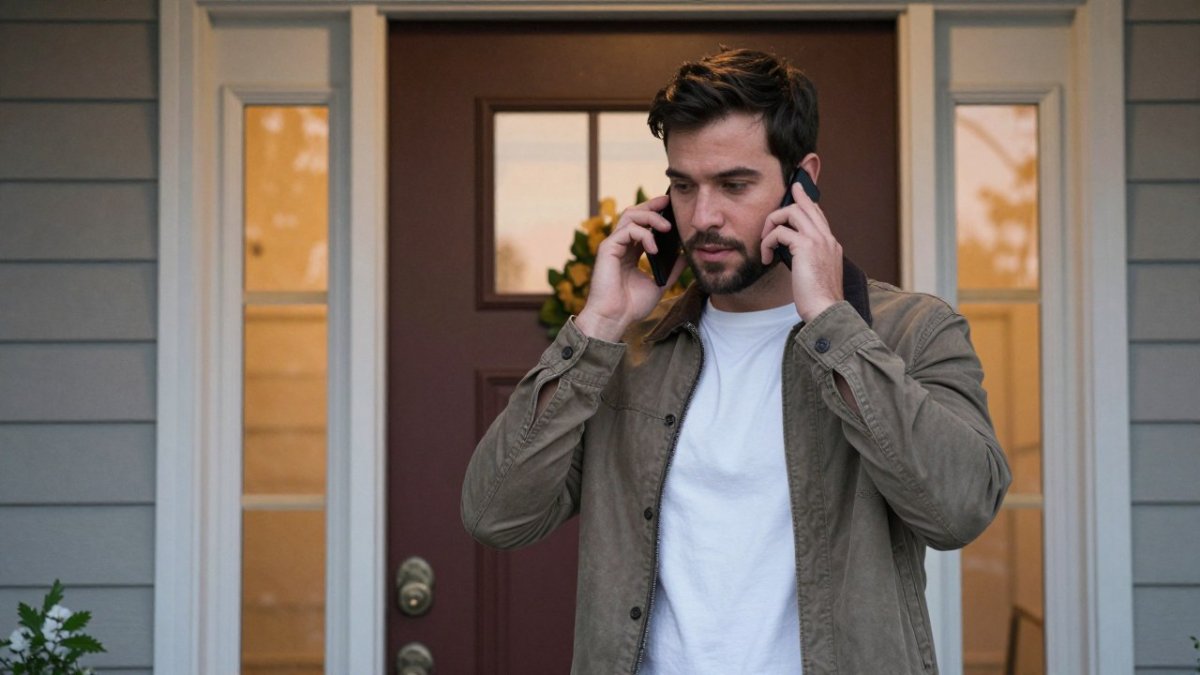
Watch out: if the person who answers cannot confirm a local business address or license number, end the call and try another provider.
Use this quick reference to see what each phone question should reveal before you agree to anything.
| Topic | What to ask | Good answer |
|---|---|---|
| Identity | Legal business name and license number | Name you can check against state records |
| Address | Physical street address | A real local address, not just a phone number |
| Arrival | Estimated arrival time | A realistic window with a call or text if delayed |
| Price | Total range for a standard lockout | Range with line items, not a low teaser |
| Estimate | Written estimate before work begins | Written estimate provided before work starts |
| Damage | Cost stated before drilling or damage | Price confirmed before any destructive work |
Step 4: Understand 24-Hour Locksmith Pricing and Avoid Surprise Fees
Emergency locksmith pricing varies by market, time of day, lock type, and travel distance, so no single number fits every call.
What a complete quote should include
Ask the dispatcher to break the estimate into these parts, and write them down:
- Service-call or dispatch fee: a flat charge for sending a technician, often separate from labor.
- After-hours surcharge: an additional fee for nights, weekends, and holidays. Ask when the surcharge starts and ends.
- Labor: the charge for the specific task, such as a lockout, rekey, or lock replacement. Ask whether labor is billed flat or by the hour.
- Parts: cylinders, keys, deadbolts, or programming equipment. Ask whether parts are new, refurbished, or customer-supplied.
- Travel or mileage: some companies charge beyond a set radius. Confirm the radius and the per-mile rate.
- Taxes and payment fees: sales tax on parts and any card-processing fee.
A quote that lists only a single number without these components is hard to compare and easy to inflate on site.
How to compare two quotes fairly
Call two or three providers and ask each the same question: “What is the total I will pay for a standard residential lockout at this hour, including all fees, if no parts are needed?” Then ask a second question: “What would change that total?” Compare the answers side by side. A provider who explains the conditions, such as a damaged lock requiring replacement, is giving you a more honest picture than one who promises a fixed price for every situation.
A fair quote typically includes a clear base fee and a stated range for parts. If one quote is dramatically lower than the others, ask what is excluded.
Bait-and-switch warning signs
A common scam pattern works like this: the phone quote is very low, the technician arrives and says the lock is “high-security” or “damaged,” and the price jumps several times higher. You are then pressured to pay because the door is open or the lock is already removed. Protect yourself by:
- Asking for the written estimate before the technician touches the lock.
- Confirming that any change in scope requires your approval and a revised price.
- Refusing to authorize drilling or replacement until you have the new total in writing.
- Keeping a record of the phone quote, the technician’s name, and the invoice.
Payment and invoice practices
Ask whether the company accepts credit cards and whether there is a surcharge. Paying by credit card gives you a dispute mechanism if the final charge does not match the estimate (How do I dispute a charge on my credit card bill?).
Contact Finest Locksmith LLC directly for a current quote, since pricing depends on your situation.
Watch out: if a technician arrives without a written estimate and immediately recommends drilling or a full replacement, ask for the itemized price before agreeing. That pause is your best protection against an inflated bill.
Step 5: Confirm Safe, Non-Destructive Entry and Proof of Authorization
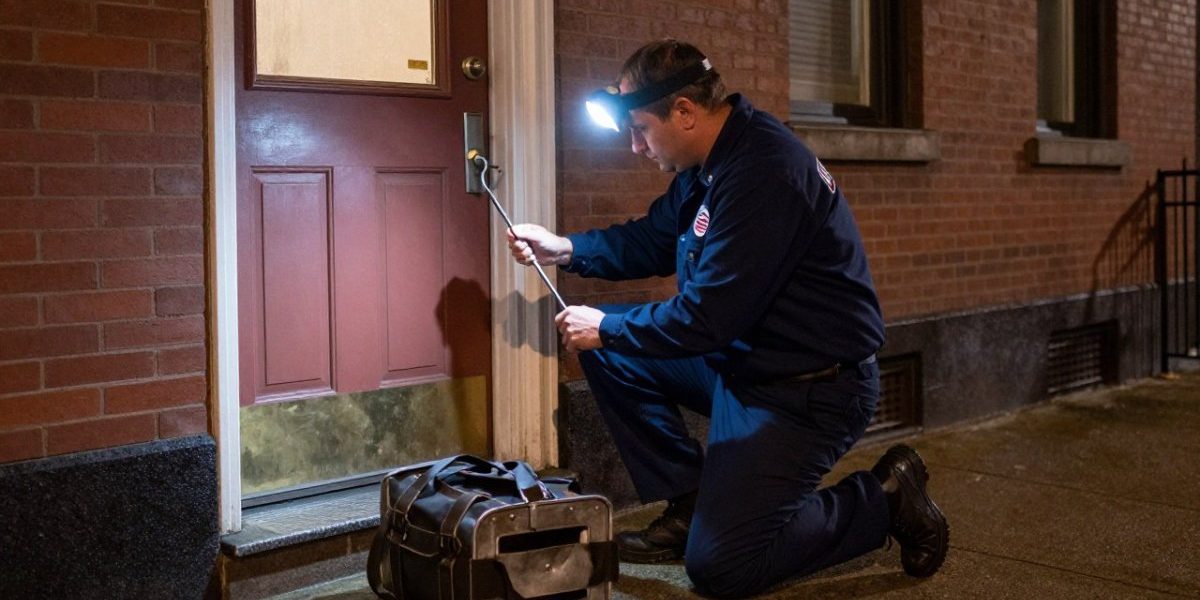
A reliable locksmith opens your lock without damaging it whenever possible. Before the technician begins, confirm two things: that they will try non-destructive methods first, and that they will verify you are authorized to enter.
- Ask how they plan to open the door.
- Expect them to request proof of authorization before entry.
- Be concerned if someone offers to drill or force entry before trying other options.
Proof of authorization protects you as much as it protects the property owner.
Choosing an Emergency Locksmith for Urgent vs. Non-Urgent Situations
Not every lock problem needs a midnight call. A decision path helps you choose the right service level.
- Urgent: You are locked out with no safe way to stay put, a child or pet is inside, or the property is unsecured after a break-in. Call an emergency locksmith now.
- Non-urgent: You can wait until morning, your home is secure, and only a worn lock or a spare key is needed. Schedule daytime service to save on after-hours charges.
For car keys, a transponder or smart key may require programming. Confirm the technician can handle your specific vehicle before you pay.
Booking Your Next Locksmith Call With Confidence
Before you call, keep a short checklist ready: the company’s license number, the written price, the arrival window, and the payment method. Confirm each item during the call, and wait for the technician to verify your identity before entry.
Finest Locksmith LLC provides residential, commercial, and automotive locksmith services across the Greater Boston area, including 24/7 emergency lockout service. Call us to get started.
Frequently Asked Questions
How do I know if a locksmith is reputable?
Start by confirming the business has a physical address, a local phone number and a name that matches its listings. Ask whether the locksmith is licensed where required and carries liability insurance. Check that the technician can show identification and company branding on arrival. Reputable locksmiths give a clear quote before work begins and put the final price in writing. If a company answers only with a generic call center, uses a different name on arrival, or refuses to state its price, treat that as a warning sign and look for another provider.
How much does a 24-hour locksmith typically charge?
Pricing depends on the type of service, the time of day, the lock involved and how difficult the entry is. Emergency and after-hours calls often carry a higher service fee than daytime appointments. Ask for the total expected cost during the first phone call, including the service fee, labor and any parts. Ask whether the quote is flat or hourly and whether any charges could increase on site. For current rates, contact Finest Locksmith LLC directly for a quote.
What should I ask a locksmith before they come out?
Ask for the company name, the technician’s name and an estimated arrival time. Request a full price quote in writing or by text, and confirm whether it covers the service call, labor and parts. Ask what identification the technician will carry and how they will verify you are the property owner or authorized resident. Also ask whether they are insured and whether they will use non-destructive entry methods first. A clear, specific answer to each question is a good sign of a dependable provider.
