

Table of Contents
- Rekeying vs Replacing Locks: What’s the Difference
- Cost to Rekey a Lock vs Cost to Change Door Locks
- When to Rekey Locks After Moving or Changing Tenants
- Can All Locks Be Rekeyed: Compatibility and Limitations
- Security Comparison: Rekeying vs Hardware Replacement
- Rekeying vs Replacing: Decision Framework and Comparison Table
- Getting a Professional Assessment for Your Home
- Frequently Asked Questions
Last Updated: October 26, 2026
Rekeying vs Replacing Locks: What’s the Difference
When you need to change who has access to your home, you face a fundamental choice: whether to rekey or replace locks, each with distinct advantages.
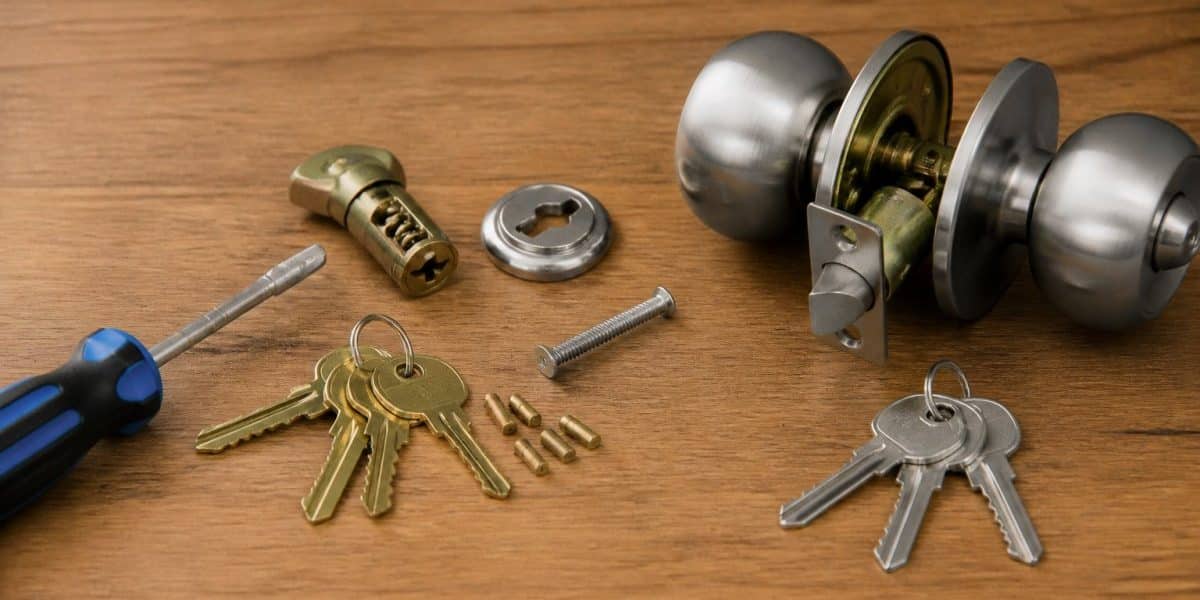
Rekeying means changing the internal pins inside your lock cylinder so that old keys no longer work. The lockset itself stays in place. Replacing means removing the entire lock hardware and installing a new one.
At Finest Locksmith LLC, we help homeowners and property managers evaluate both options based on their specific circumstances. The cheaper option isn’t always the better one.
How rekeying works
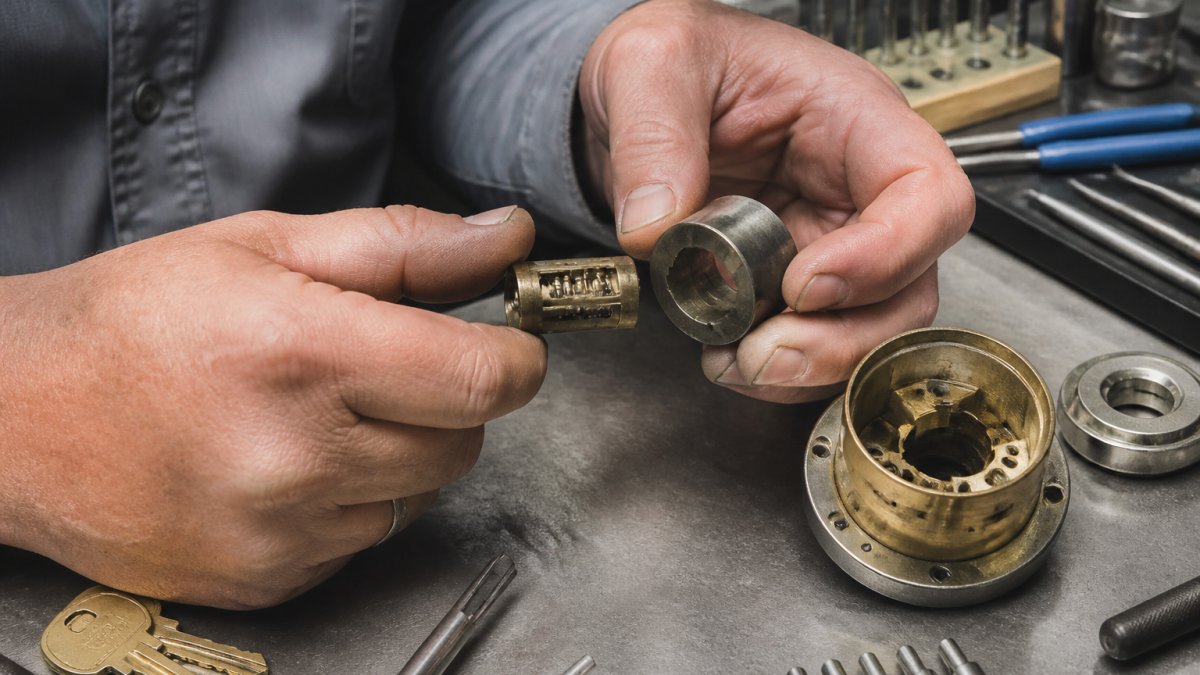
Rekeying involves manipulating the pin tumbler mechanism inside your lock cylinder. A professional locksmith removes the cylinder from the door, takes out the existing pins, and replaces them with a new set configured to match your new key.
This process takes skill and precision: the locksmith must match the correct pin heights to your new key’s cuts, or the lock won’t function properly.
Rekeying works best for standard pin tumbler locks, the most common residential deadbolts and entry locks. Locksmiths can rekey most standard mass-market locks.
How lock replacement works
Replacement means the entire lockset comes out. A professional removes the old hardware from the door, installs a new lock in its place, and ensures the strike plate and door frame align properly.
Replacement gives you the chance to upgrade: a higher security grade lock, a smart lock that works with your phone, or better key control features.
The trade-off: replacement costs more in labor and materials. It also takes longer than rekeying, typically 30 minutes to an hour for a single lock, depending on your door’s condition.
Cost to Rekey a Lock vs Cost to Change Door Locks
The price difference between rekeying and replacing is significant enough to influence most decisions.
Professional rekeying costs
Professional rekeying costs depend on the lock type, your location, and the locksmith’s experience. Simple residential deadbolts typically cost less; specialty locks, master key systems, or custom pinning cost more.
Many locksmiths charge a flat service call fee plus a per-lock rekeying fee. Some offer package deals if you’re rekeying multiple locks at once.
Finest Locksmith LLC offers flat-rate emergency pricing, so you know upfront what your service will cost, no surprise charges when the technician arrives. That transparency matters when you’re in a bind and need immediate access or security.
Professional replacement costs
Replacement labor typically runs higher than rekeying because the job is more involved, and the total cost depends on the lock quality you choose.
Installation labor alone often exceeds the cost of a rekeying service. Add the price of the new hardware itself, and replacement becomes a significant investment.
If you’re replacing multiple locks or upgrading to a master key system, costs scale up. A professional assessment helps you understand what you’re paying for and why.
DIY rekeying kits
DIY rekeying kits from manufacturers include replacement pins and basic instructions. The appeal is obvious: you avoid labor costs entirely.
The catch: you must remove the lock cylinder, identify the correct pin heights, install new pins in the right order, and reassemble everything.
DIY kits work for mechanically inclined homeowners who’ve done similar work before. For most people, the risk of damaging a lock outweighs the savings.
When to Rekey Locks After Moving or Changing Tenants
Moving into a new home or managing a rental property creates an obvious need: you don’t know who has copies of the old keys.
Rekeying immediately after taking possession gives you peace of mind and control over key access.
For rental properties, rekeying between tenants is standard practice. It’s faster and cheaper than replacing every lock, and it ensures the previous tenant can’t return uninvited.
The timing matters: rekey before you move in furniture and settle in. Finest Locksmith LLC provides 24/7 emergency service, so you can schedule rekeying even outside normal business hours.
Can All Locks Be Rekeyed: Compatibility and Limitations
Not every lock can be rekeyed. Knowing which locks are candidates and which require replacement prevents wasted money.
Lock types that can be rekeyed
Standard pin tumbler deadbolts and entry locks are the easiest to rekey. Most residential locks from manufacturers like Schlage, Kwikset, and Baldwin have a removable cylinder a locksmith can access, manipulate, and reinstall.
Locks with removable cylinders and standard keyways are rekeying-friendly. If you’re not sure whether your lock qualifies, a professional locksmith can assess it in minutes.
Locks that require replacement
Some locks simply cannot be rekeyed. Learn more about professional lock change procedures when rekeying isn’t an option.
Damaged or worn-out locks may be impossible to rekey safely.
High-security locks with restricted keyways sometimes cannot be rekeyed outside the manufacturer’s system. These locks are designed to prevent unauthorized duplication, which also limits who can rekey them.
Antique or specialty locks, vintage hardware, European imports, or custom-built locks, may not have replacement pins available. A locksmith can advise whether rekeying is possible or if replacement is necessary.
Security Comparison: Rekeying vs Hardware Replacement
Security is the real reason you’re changing locks. Rekeying and replacing both deny old key holders access, but they differ in the upgrades each provides.
Key control and master key systems
Rekeying preserves your existing key control situation. If your lock is a basic pin tumbler with no special features, rekeying doesn’t change that. You get a new key, but the lock’s fundamental security remains the same.
High-security locks often include patented keyways and anti-pick pins that make lock picking and bumping harder. See best residential security lock brands to compare protection options for your choice.

Lock hardware quality and security grades
Lock grades measure security and durability. Grade 1 locks (highest) withstand aggressive force and pick attempts. Grade 2 locks offer solid residential security. Grade 3 locks are basic but functional.
Rekeying doesn’t change your lock’s grade. A Grade 3 lock rekeyed is still Grade 3. If you want better security, you need a lock with a higher grade, which means replacement.
Worn-out hardware loses security regardless of how recently it was rekeyed. Old springs weaken, pins wear, and cylinders develop play. Replacement with new hardware restores security and durability.
Smart lock compatibility
Smart locks cannot be rekeyed in the traditional sense. They use electronic mechanisms, biometric readers, or Bluetooth connectivity instead of pin tumblers. If you want to upgrade from a traditional lock to a smart lock, you must replace the hardware.
Smart locks offer security advantages: temporary access codes for guests or service providers, remote locking and unlocking, audit logs of who entered and when. They also integrate with home automation systems and security monitoring.
If your current lock is traditional but you want smart lock features, replacement is your path forward.
Rekeying vs Replacing: Decision Framework and Comparison Table
The choice between rekeying and replacing depends on several factors. Use this framework to guide your decision.
When rekeying makes sense
Rekey or replace locks when your locks are in good condition but you need to change who has access, with rekeying being the cost-effective choice.
Rekey when your locks are relatively new and high-quality, preserving that investment.
Rekey when you’re on a tight budget and security is your only concern, you just need to know that old key holders can’t get in.
Rekey when you have multiple locks of the same brand and model. A locksmith can rekey them all to work with one key, simplifying key management without the expense of replacing every lock.
When replacement is the better choice
Replace when your locks are old, worn, or damaged.
Replace when you want to upgrade security. New hardware with higher grades, restricted keyways, or anti-pick features provides better protection than rekeying old locks.
Replace when you’re installing a smart lock, keyless entry, or other electronic system. These require complete hardware replacement.
Replace when you’re implementing a master key system for the first time. A professional can install locks configured specifically for master key operation.
Replace when you’re managing a rental property and want locks that are easier to maintain across turnovers.
| Scenario | Best Choice | Why |
|---|---|---|
| Moving into a new home, locks in good condition | Rekey | Fast, affordable, solves access control immediately |
| Old, worn locks that are hard to turn | Replace | Worn hardware compromises security and function |
| Want to add smart lock features | Replace | Smart locks require complete hardware replacement |
| Rental property turnover | Rekey | Cost-effective between tenants; replace if locks are damaged |
| Upgrading to high-security locks | Replace | New hardware provides better security features |
| Budget-conscious, security is the only goal | Rekey | Lowest-cost option when hardware is still good |
| Implementing master key system | Replace | Requires locks configured for master key operation |
| Multiple locks of the same brand, one key desired | Rekey | Locksmith can configure all locks to one key |
Getting a Professional Assessment for Your Home
The best way to make this decision is a professional evaluation of your specific locks. Contact our residential locksmith technicians to request a professional assessment of your home’s security needs.
Finest Locksmith LLC has been serving the area since 2008. Our experienced technicians assess your locks, explain your options clearly, and provide flat-rate pricing for emergency services so you know the cost upfront.
Whether you need residential and commercial lock installation services or just want advice on your current locks, we’re available 24/7 for emergency lockout assistance. Call us to book a professional assessment and get a clear picture of what your home security actually needs.
The difference between rekeying and replacing isn’t just about cost, it’s about choosing the right security solution for your situation. A professional assessment takes the guesswork out of the decision.
Frequently Asked Questions
Is it cheaper to rekey or replace a lock?
Rekeying is typically less expensive upfront than full lock replacement. Professional rekeying costs less because technicians only replace the internal pins inside the existing lock cylinder, keeping the lockset hardware in place. Replacement involves removing the entire lock mechanism and installing new hardware. However, the total cost depends on your specific situation: the number of locks, lock hardware quality, and whether you need additional security upgrades. For a single entry door, rekeying may be a more economical choice; for multiple locks or worn-out hardware, replacement might be a better long-term solution.
When should you rekey locks after moving into a new home?
Rekey locks immediately after moving or taking possession of your home. Previous owners, tenants, contractors, and real estate agents may have copies of the keys. Rekeying invalidates all old keys and gives you sole key control. This is one of the most important home security steps you can take. If you don’t know the lock history or suspect multiple key copies exist, rekeying ensures only your keys open your doors. For commercial properties or rental units, rekeying between tenants protects your security and establishes clear key management.
Can all door locks be rekeyed?
Most standard residential deadbolts and entry locks can be rekeyed, but not all. Pin tumbler locks are the most common and easiest to rekey. Locks with damaged cylinders, worn-out pin stacks, or non-standard keyways may not be candidates for rekeying. High-security locks, some master key systems, and specialty hardware may require replacement instead. Smart locks and electronic locks cannot be rekeyed in the traditional sense. A professional locksmith can assess your specific locks and recommend whether rekeying is possible or if replacement is necessary to maintain security and functionality.
What factors affect the total cost of rekeying or replacing locks?
Several factors influence pricing: the number of locks you need serviced, the type and brand of lock hardware, whether the locks are residential or commercial, the condition of existing hardware, and emergency vs. standard service timing. High-security locks or locks requiring master key systems may cost more than standard deadbolts. If your existing hardware is worn out or damaged, replacement may be a better solution than rekeying. Smart lock upgrades or integration with access control systems can also affect costs. Contact a professional locksmith for an assessment and quote based on your specific needs and property requirements.
Don’t let uncertainty about your locks delay your security. Contact Finest Locksmith LLC today for a professional assessment. Our technicians will evaluate your locks, explain whether rekeying or replacement makes sense for your home, and provide transparent pricing with no hidden fees. We’re available around the clock because security emergencies don’t wait for business hours.

